Expanded Polystyrene (EPS) and Expanded Polypropylene (EPP) are two of the most widely used cellular foam materials in industrial manufacturing, yet they are frequently confused or treated as interchangeable. While both are closed-cell thermoplastic foams, they differ fundamentally in chemical composition, mechanical properties, thermal performance, and cost structure. Understanding these differences is essential for selecting the right material for your application — and the right machinery for your production line.
This comprehensive comparison covers everything engineers, product designers, and manufacturing decision-makers need to know about EPS vs. EPP.
Chemical Composition and Structure
EPS (Expanded Polystyrene)
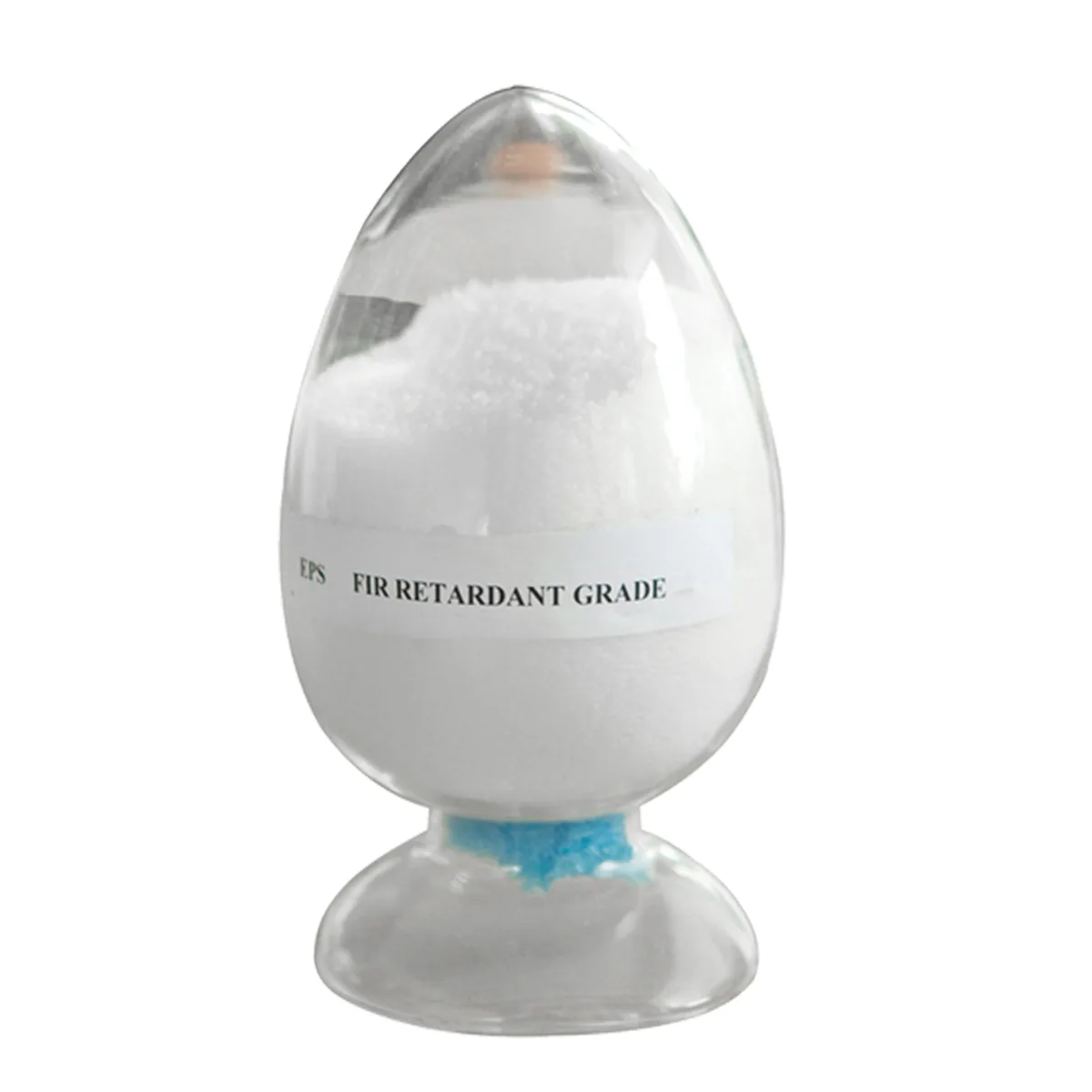
EPS is produced from polystyrene resin beads containing 5-7% pentane as a blowing agent. During pre-expansion, steam heats the beads to 80-110°C, causing the pentane to vaporize and the polystyrene matrix to soften, expanding the beads to 40-80 times their original volume. The expanded beads are then molded together using steam fusion at 110-120°C. The resulting material is approximately 98% air by volume, giving it excellent insulation properties and extremely low weight.
EPS has a rigid, brittle cell structure. Once compressed beyond its yield point (typically 2-5% strain depending on density), the cells collapse permanently and the material does not return to its original shape. This makes EPS ideal for single-impact applications like packaging, but unsuitable for repeated-use cushioning.
EPP (Expanded Polypropylene)
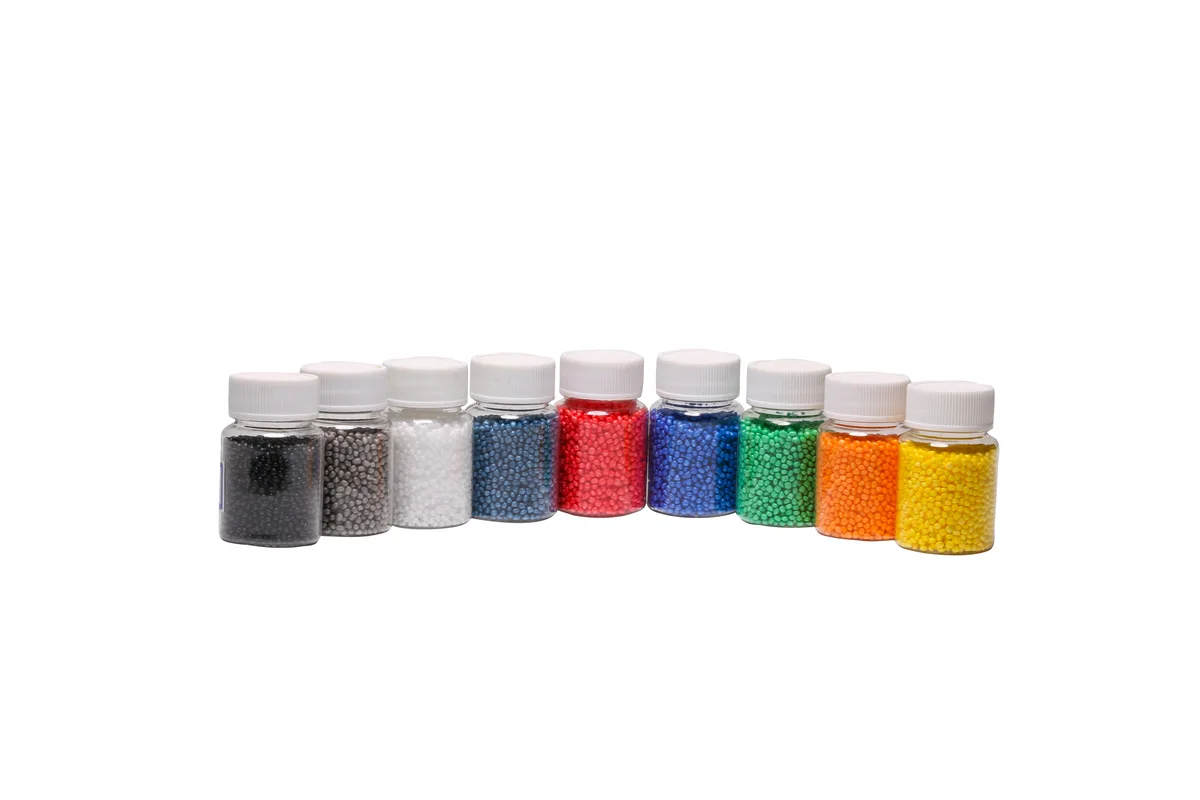
EPP starts with polypropylene copolymer beads, which are expanded using high-pressure CO₂ or butane in an autoclave process at 140-160°C and pressures of 2.5-5.0 MPa. The resulting expanded beads are then steam-molded at 140-155°C, which is significantly higher than EPS molding temperatures. EPP typically contains 90-95% air by volume.
The key structural difference is EPP's semi-crystalline polypropylene matrix, which gives it remarkable elasticity. EPP can withstand repeated compressions and return to near its original shape — recovering over 95% of its thickness after compression at 50% strain. This resilience makes EPP the material of choice for applications requiring multi-impact energy absorption.
Property Comparison Table
| Property | EPS | EPP |
|---|---|---|
| Base Polymer | Polystyrene (PS) | Polypropylene (PP) |
| Density Range | 10-35 kg/m³ | 15-200 kg/m³ |
| Molding Temperature | 110-120°C | 140-155°C |
| Steam Pressure (Molding) | 0.08-0.12 MPa | 0.30-0.50 MPa |
| Thermal Conductivity | 0.032-0.040 W/m·K | 0.034-0.046 W/m·K |
| Max Service Temperature | 80°C | 130°C |
| Compressive Strength (at 25 kg/m³) | 100-150 kPa | 150-250 kPa |
| Energy Absorption (Multi-Impact) | Poor (single use) | Excellent (50+ impacts) |
| Chemical Resistance | Poor (dissolves in solvents) | Good (resistant to most chemicals) |
| Water Absorption (7-day immersion) | 1-3% by volume | 0.5-1.5% by volume |
| Raw Material Cost | $1,200-1,600/ton | $2,500-4,000/ton |
| Recyclability | Recyclable (resin code #6) | Recyclable (resin code #5) |
Thermal Properties
Both EPS and EPP are effective thermal insulators, but they serve different temperature ranges. EPS has a slight edge in pure insulation performance, with a thermal conductivity of 0.032-0.040 W/(m·K) compared to EPP's 0.034-0.046 W/(m·K) at similar densities. This makes EPS the preferred choice for building insulation (EIFS systems, ICF blocks, roofing insulation) where maximizing R-value per inch is the priority.
However, EPS softens at approximately 80°C and loses structural integrity above 100°C, limiting its use in applications involving heat exposure. EPP maintains its properties up to 130°C and has a much higher melting point (approximately 160°C vs. 240°C for EPS), making it suitable for automotive under-hood components, food containers used in hot-fill processes, and HVAC ductwork in warm climates.
For cold-chain applications, both materials perform well. EPS is the dominant material for insulated shipping boxes (maintaining internal temperatures below 8°C for 24-48 hours in typical configurations), while EPP is used for reusable cold-chain containers that make 50-100+ trips. The break-even point where EPP's higher cost is offset by reusability is typically around 15-20 uses.
Mechanical Strength and Impact Performance
This is where the two materials diverge most dramatically. EPS is rigid and brittle — it provides excellent protection during a single impact event by crushing and absorbing energy through permanent cell collapse. This makes it ideal for one-way packaging of electronics, appliances, and fragile goods. Standard EPS packaging at 20 kg/m³ density can absorb 15-25 kJ/m³ in a single impact.
EPP, by contrast, is resilient. Its polypropylene cell walls flex rather than fracture, allowing the material to recover its shape after compression. EPP at 30 kg/m³ can absorb 8-15 kJ/m³ per impact but sustains this performance over dozens or hundreds of impacts. This makes EPP indispensable for automotive bumper cores, reusable transit packaging, children's safety products, and sports equipment.
In automotive crash testing, EPP components at 60-80 kg/m³ density consistently absorb 3-5 times more total energy over sequential impacts than EPS at equivalent density. This is why every major automotive OEM uses EPP for bumper energy absorbers, headrest cores, and side-impact door padding.
Applications by Industry
Packaging
EPS dominates the protective packaging market, accounting for approximately 65% of all foam packaging globally. Its extremely low cost ($0.02-0.05 per cubic decimeter at production scale), easy moldability, and excellent single-use cushioning make it the default choice for shipping electronics, appliances, furniture, and food products. EPS fish boxes alone represent a $2.8 billion global market.
EPP is growing rapidly in reusable packaging, particularly for automotive parts logistics, pharmaceutical cold chains, and e-commerce returnable packaging programs. While EPP packaging costs 3-5× more to produce, it typically lasts 50-100 cycles, making it cost-effective for closed-loop supply chains. Major automotive manufacturers like Toyota and BMW use EPP returnable containers to ship components between suppliers and assembly plants.
Automotive
EPP is the clear leader in automotive applications, used in 30+ components per vehicle including bumper cores (energy absorption at 3-8 km/h impacts), headrests and seat cushions (comfort and safety), sun visors, tool storage compartments, and trunk organizers. The average European car contains 8-12 kg of EPP. EPS finds limited automotive use, mainly in cooler boxes and some non-structural panels.
Construction
EPS is a construction industry staple. Major applications include Exterior Insulation and Finish Systems (EIFS), Insulated Concrete Forms (ICF), roofing insulation boards, geofoam for road embankments and bridge approaches (replacing soil fill at 1% of the weight), and underfloor heating insulation. The global EPS construction market exceeds $12 billion annually.
EPP is emerging in construction for lightweight structural elements, impact-resistant wall panels in sports facilities, and acoustic insulation panels where durability under repeated impacts is needed (gyms, warehouses with forklift traffic).
Food Service and Cold Chain
EPS food containers, fish boxes, and insulated coolers remain standard despite environmental pressure, because EPS offers the best insulation-to-cost ratio for single-use applications. An EPS fish box keeps contents below 5°C for 24+ hours at ambient temperatures up to 30°C, at a box cost of $1.50-3.00.
EPP is used for reusable meal delivery containers, catering boxes, and high-end coolers. EPP food containers can withstand dishwasher temperatures (up to 80°C) and microwave use, unlike EPS.
Recyclability and Environmental Considerations
Both EPS and EPP are 100% recyclable thermoplastics. EPS (resin code #6) can be mechanically recycled by compacting, shredding, and re-melting into general-purpose polystyrene pellets for injection molding products like picture frames, crown molding, and hangers. EPS recycling rates vary significantly by region: 46% in Japan, 30-35% in Europe, and only 12-15% in North America.
EPP (resin code #5) is also mechanically recyclable and can be reprocessed into polypropylene pellets. However, EPP recycling infrastructure is less developed than EPS. The material's excellent durability means EPP products have longer useful lives, which partially offsets lower recycling rates.
From a carbon footprint perspective, both materials are lightweight (reducing transport emissions) and can be produced using renewable energy. Graphite-enhanced EPS (grey EPS) offers 20-30% better insulation than standard white EPS, allowing thinner panels and less material usage. ChinaEps supplies both standard EPS raw beads and EPP raw beads for manufacturers looking to produce either material.
Cost Analysis
Cost differences between EPS and EPP extend well beyond raw material prices.
| Cost Factor | EPS | EPP |
|---|---|---|
| Raw Material | $1,200-1,600/ton | $2,500-4,000/ton |
| Mold Cost (Shape Molding) | $3,000-15,000 | $8,000-30,000 |
| Steam Energy per Cycle | 1× (baseline) | 2.5-3× (higher temp/pressure) |
| Cycle Time | 60-120 seconds | 90-180 seconds |
| Finished Part Cost (per dm³) | $0.02-0.05 | $0.08-0.20 |
While EPP parts cost 3-5× more to produce, the total cost equation changes when product lifespan is considered. For reusable applications, EPP's ability to survive 50-100+ use cycles typically delivers a lower cost-per-use starting at cycle 15-20.
Machinery Considerations
Manufacturers considering adding EPP capability to an existing EPS production line should understand the key equipment differences. EPP requires higher steam pressures (0.3-0.5 MPa vs. 0.08-0.12 MPa for EPS), which means boilers, piping, and molding machines must be rated accordingly. EPP pre-expansion typically uses autoclave systems rather than the steam-chest pre-expanders used for EPS.
Shape molding machines like the SM-1400 can be configured for both EPS and EPP production with appropriate steam system upgrades. ChinaEps provides dual-capability production lines that allow manufacturers to switch between EPS and EPP processing, maximizing equipment utilization and market flexibility.
Choosing the Right Material for Your Application
Use EPS when your application requires the lowest cost per part, maximum thermal insulation per unit thickness, single-use protective packaging, or construction insulation where long-term moisture resistance is needed. EPS is the right choice for 80-85% of general foam applications.
Choose EPP when your application demands multi-impact energy absorption, reusability over many cycles, exposure to temperatures above 80°C, contact with chemicals or solvents, or premium automotive and technical applications. EPP commands higher prices and justifies them through superior performance in these demanding applications.
Looking to expand into EPS or EPP manufacturing, or upgrade your existing production line? ChinaEps supplies complete machinery solutions for both materials, from raw material supply to shape molding equipment. Contact our technical team to discuss your production requirements and receive a customized equipment proposal.